
More Than a Driver: SNAP calls for greater focus on driver health, wellbeing and respect this Driver Health Week and long after it ends
They keep economies moving, people fed and retail shelves stocked, yet haulage continues to be one of the most overlooked sectors when it comes to the wellbeing and recognition of the people behind the wheel.
This Driver Health Week, SNAP is calling on the transport and logistics industry, businesses and the wider public to rethink how professional drivers are treated and recognise the people behind the vehicles that keep everyday life moving.
Research suggests that feeling undervalued is not simply an industry perception. A Department for Transport evidence review into HGV driver recruitment and retention highlighted a lack of value and respect for the role among the public, with research cited within the review finding that only 34% of drivers surveyed thought their job was seen as a ‘profession’ by the public.
It is a striking disconnect. HGV drivers are responsible for transporting the food on supermarket shelves, medicines reaching healthcare services, materials used by businesses and countless products relied upon by households every day. Yet many of the people carrying out that essential work do not feel their profession receives the recognition it deserves.
And that lack of recognition sits alongside wider concerns about driver wellbeing.
The Trucking Lives Report 2024 found that almost one in three (32%) HGV drivers reported that their work negatively affected their mental health, while 54% reported a negative impact on their physical health.
For SNAP, these figures reinforce why Driver Health Week should be the beginning of a conversation, rather than the only time the industry talks about driver wellbeing.
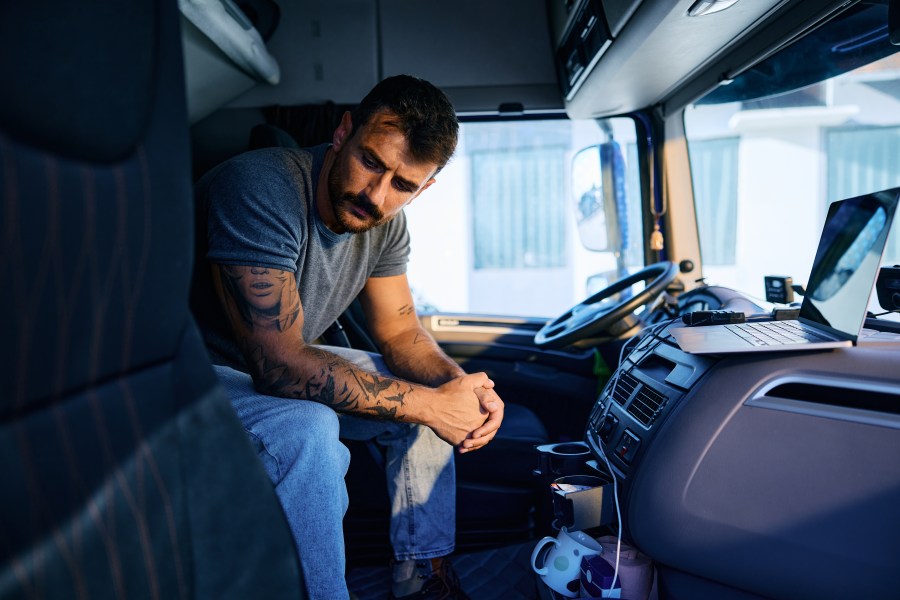
Every day, HGV drivers spend long hours on the road, often working irregular shifts, sleeping away from home and spending significant periods alone. Behind every delivery is a person dealing with the physical and mental pressures that come with keeping supply chains moving.
For drivers, wellbeing isn’t simply about mental health. It is about having somewhere safe to stop, access to clean toilets and showers, being able to eat properly, getting enough sleep, staying hydrated, accessing healthcare when needed and having someone to talk to when things become difficult.
Speaking to SNAP ahead of Driver Health Week, Peter McKenna, founder of DriverWell and a former professional driver with 30 years’ experience, highlighted how something as basic as access to suitable facilities can have a significant impact on life on the road.
“If drivers have proper facilities at the end of the day, their wellbeing is a lot better. The mindset’s a lot better.”
McKenna also highlighted the reality drivers can face when suitable facilities aren’t available, particularly when parking overnight in lay-bys or other locations without access to toilets.
For an industry responsible for moving the goods society relies upon every day, SNAP believes access to basic facilities should not be considered a luxury.
The hidden impact of life on the road
The pressures of professional driving can extend far beyond a driver’s working day.
Long periods away from family and friends can create isolation, while irregular shifts and disrupted sleep can make maintaining relationships, friendships and healthy routines increasingly difficult.
McKenna described loneliness and isolation among drivers as a significant concern, explaining that while smartphones and social media have made staying connected easier, they cannot entirely replace human interaction.
Periods spent alone can leave drivers with considerable time to dwell on financial worries, family problems and other pressures. When those worries begin affecting sleep, the consequences can extend into the following working day through fatigue and reduced wellbeing.
McKenna said:
“There’s still periods where they’re not talking to family or friends and you have a lot of time to think.”
He added that poor sleep, hydration and nutrition cannot be viewed separately from mental wellbeing and road safety, with each playing an important role in how a driver feels and functions.
Small conversations can make a big difference
Supporting driver wellbeing does not always require major programmes or investment. Sometimes, it starts with a conversation.
Rather than beginning every interaction with paperwork, routes or delivery schedules, Mckenna encouraged transport teams to have genuine conversations with their drivers asking how they are feeling, whether they had a good weekend and taking the time to listen to the answer.
“That human connection can be particularly important in an industry where people may still feel pressure to simply “get on with it”.
McKenna explained that while attitudes towards mental health are improving, there remains a stigma within parts of the industry around admitting when someone is struggling.
Warning signs can also be difficult to spot. A driver may become quieter, more withdrawn or less active than usual, while others can successfully mask how they are feeling.
Creating a workplace where regular conversations are normal could therefore help make it easier for drivers to speak up when they need support.
Driver wellbeing must go beyond one week
Driver Health Week provides an important opportunity to shine a spotlight on the physical and mental pressures faced by professional drivers but SNAP believes the industry’s responsibility cannot be limited to awareness weeks or campaigns.
Nick Long, Head of UK Commercial at SNAP explains:
“Driver wellbeing should remain at the forefront long after Driver Health Week has finished. Better facilities, safer places to rest, access to support, healthier working practices and genuine conversations should become part of the everyday experience of being a professional driver”
“By working alongside organisations already championing driver wellbeing, SNAP hopes to keep the conversation going beyond Driver Health Week and encourage businesses to consider the practical steps they can take to support the people keeping their operations moving.
Drivers are more than the person delivering the load. They are a colleague, parent, partner, friend and family member. They are someone spending hours alone to keep businesses supplied, shelves stocked and communities connected.
Watch the full conversation with Driverwell here: